
EUGENE'S LOCAL HEARING SPECIALISTS
Hearing Aid Fitting
Play it Again Hearing
A hearing aid is more than a device; it’s a personalized tool that must be matched to your hearing loss, ear acoustics, and lifestyle to provide meaningful benefit.
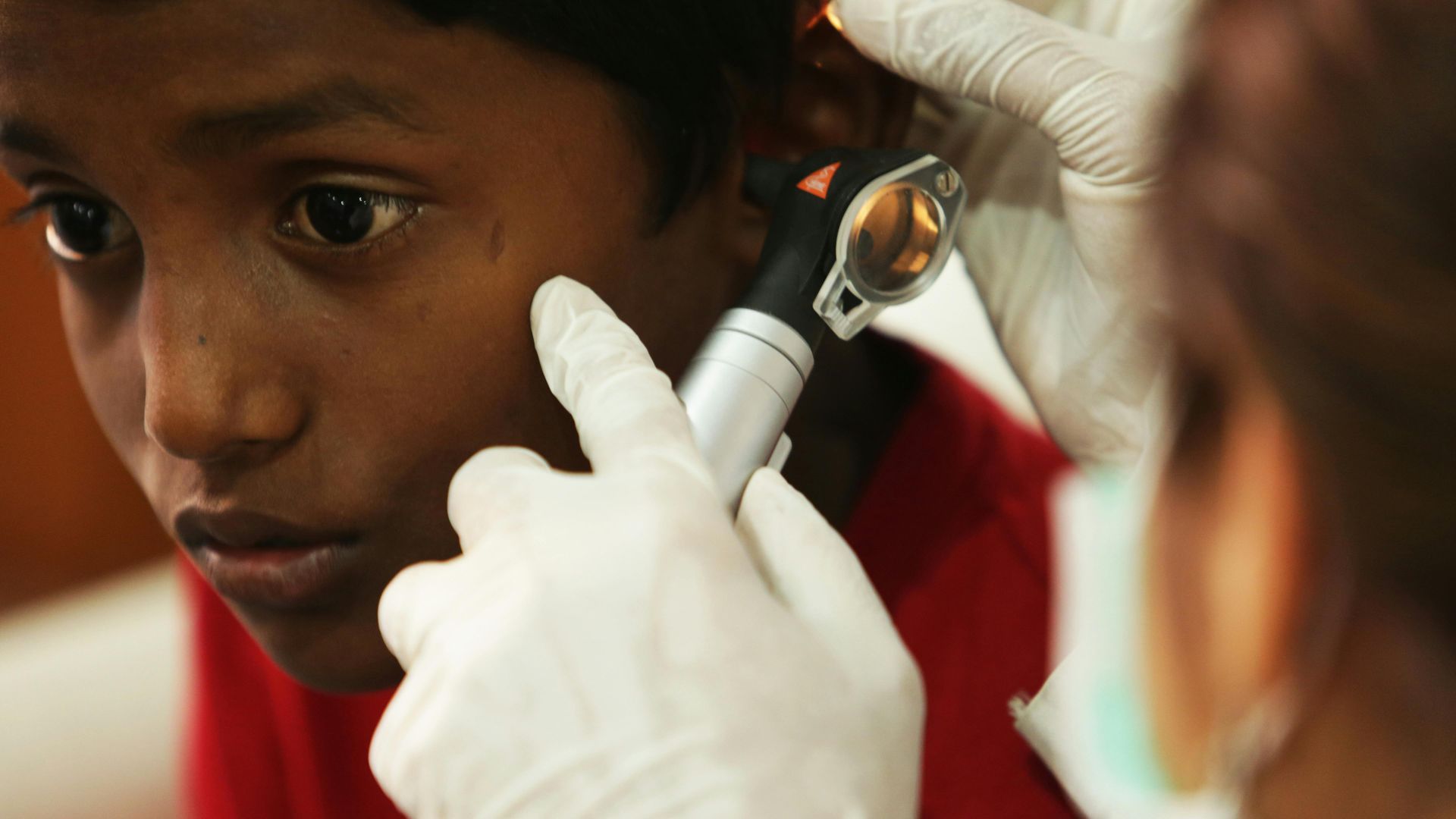
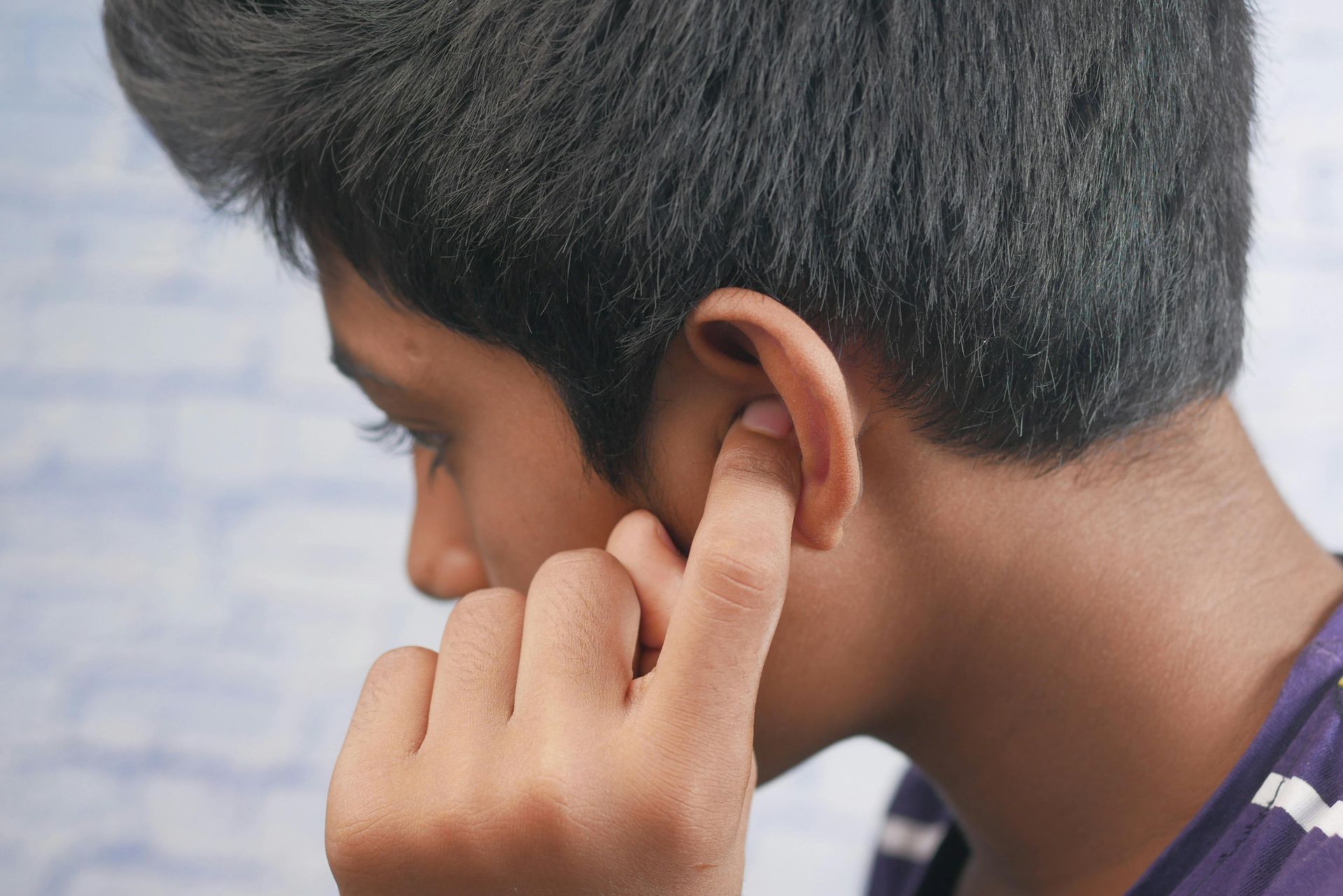
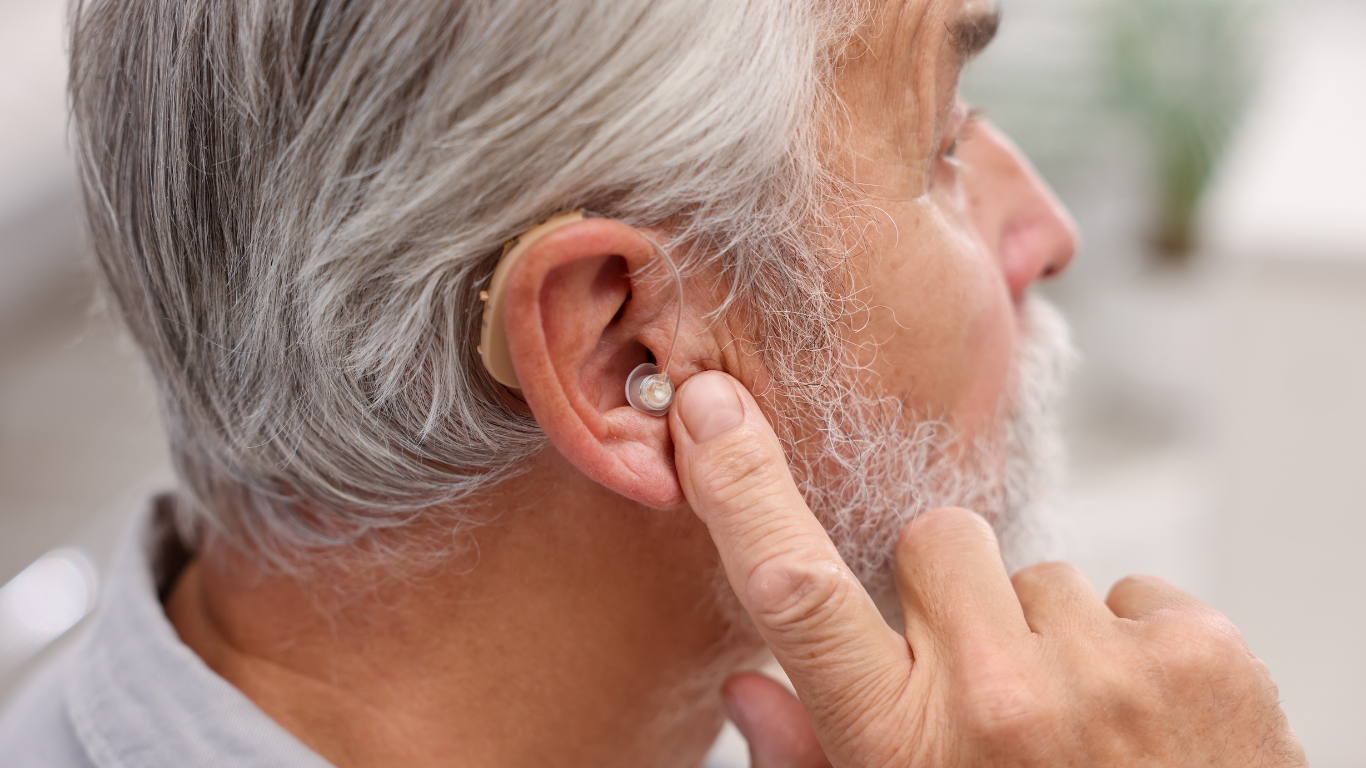
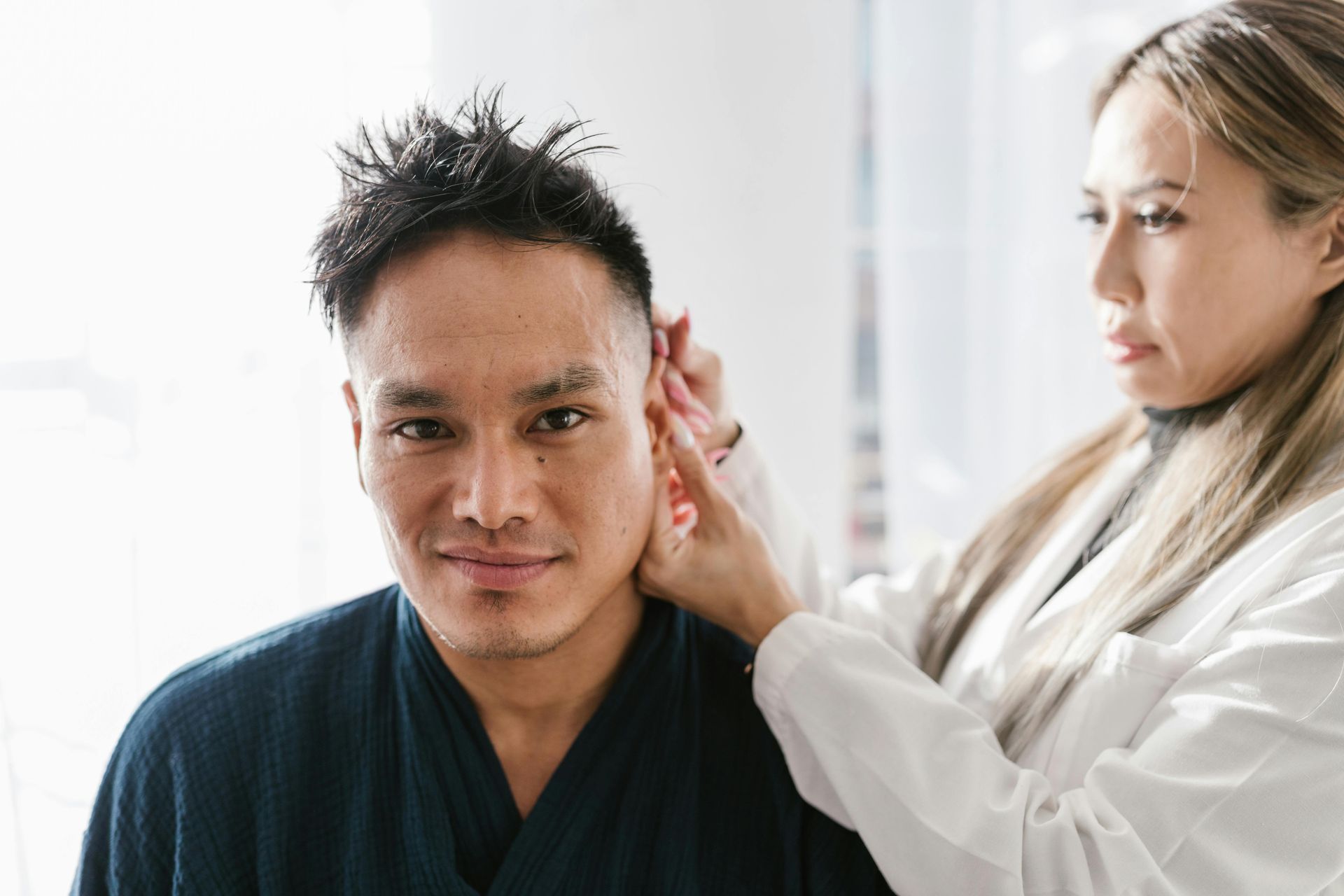

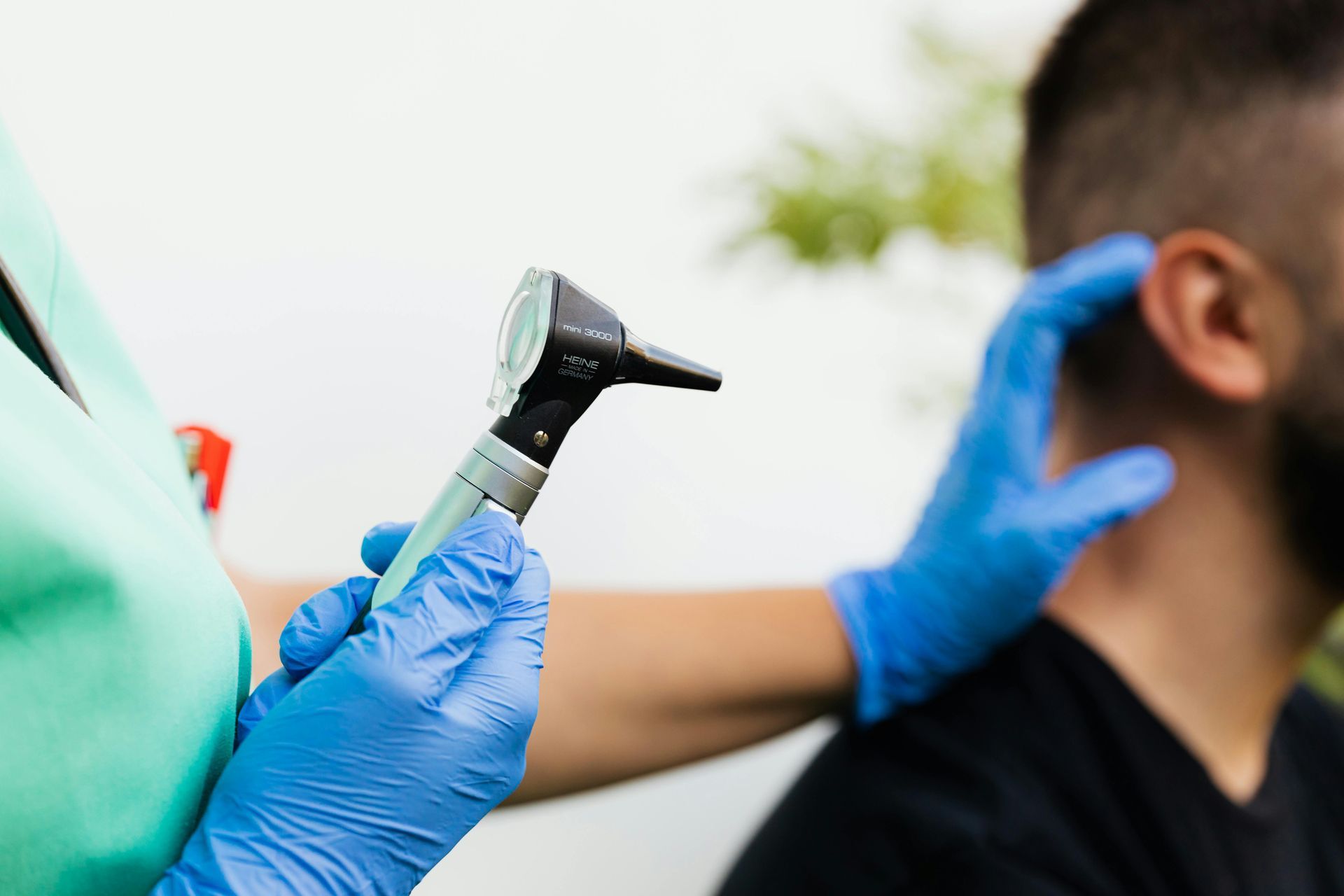
Why precise hearing aid fitting matters
Poorly fitted hearing aids can be uncomfortable, amplify unwanted sounds, or fail to improve speech understanding. Play it Again Hearing prioritizes precise fittings based on objective verification, individualized programming, and hands-on training so your devices perform where it counts in real life.
What a professional hearing aid fitting includes
Review of assessment results
We revisit your hearing test to confirm targets for amplification.
Device selection
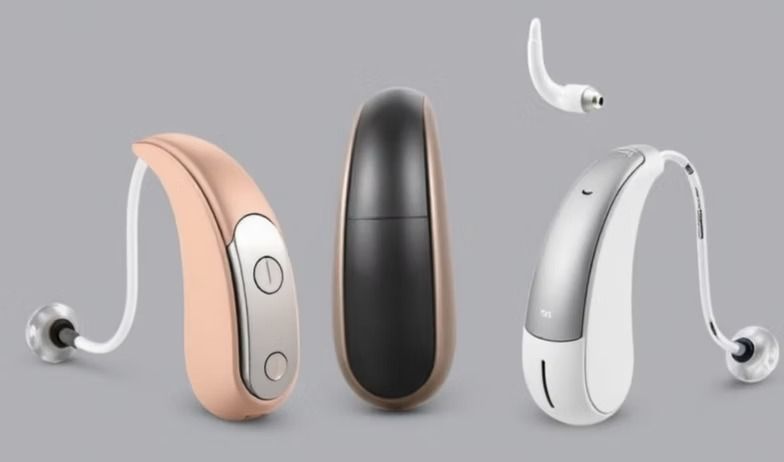
We discuss device styles, features, and budgets, recommending options that meet your listening needs.
Custom fittings
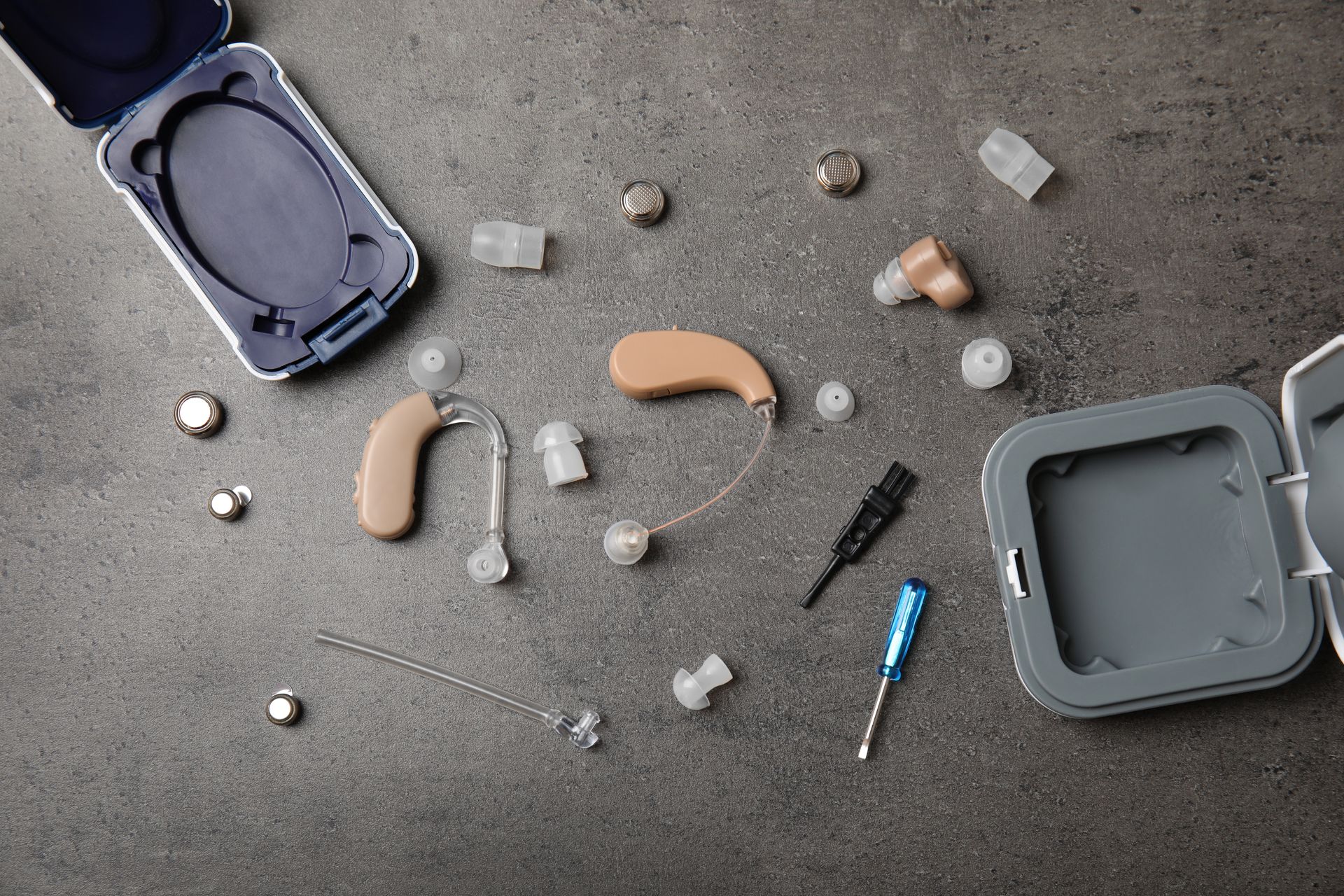
For in-ear devices, we take impressions when necessary; for behind-the-ear styles, we choose appropriate domes and tubing.
Programming
Using manufacturer software, we program hearing aids to a prescribed target that corresponds with your audiogram.
Real-ear verification
We measure sound at the eardrum with the hearing aid in place to ensure the device delivers the needed amplification accurately.
Functional checks
We test the device across listening situations and adjust noise reduction, directional microphones, and other features.
Counseling and training
We teach insertion/removal, controls, battery or charging procedures, cleaning, and daily maintenance.
Follow-up scheduling
Fittings include planned follow-ups for fine-tuning after you’ve used the aids in everyday environments.
Why real-ear verification is essential
Real-ear verification uses a probe microphone to measure output at the ear canal and compare it to prescriptive targets. It’s the industry-standard way to ensure hearing aids are delivering the correct amplification for speech frequencies. Without this verification, programming is largely guesswork real-ear measurement reduces variability and improves outcomes.
Key benefits of a full fitting process
Better speech understanding: Programming based on your audiogram increases clarity and reduces listening effort.
Comfort:
We adjust settings to reduce discomfort from loudness while ensuring audibility.
Confidence: Hands-on training and follow-ups help you operate devices confidently in everyday life.
Reduced return rate: Objective verification and incremental adjustments lower the likelihood of abandonment.
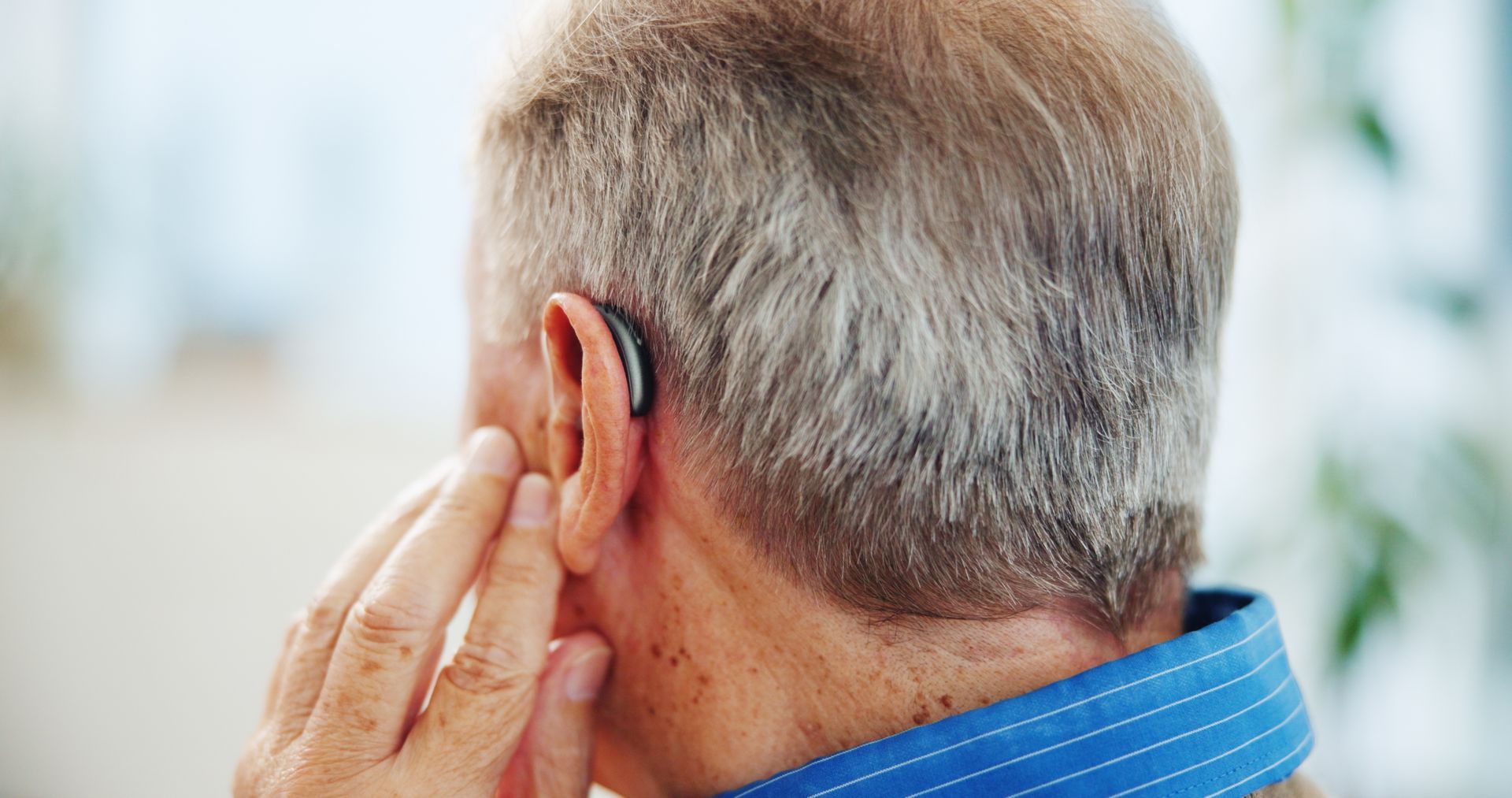
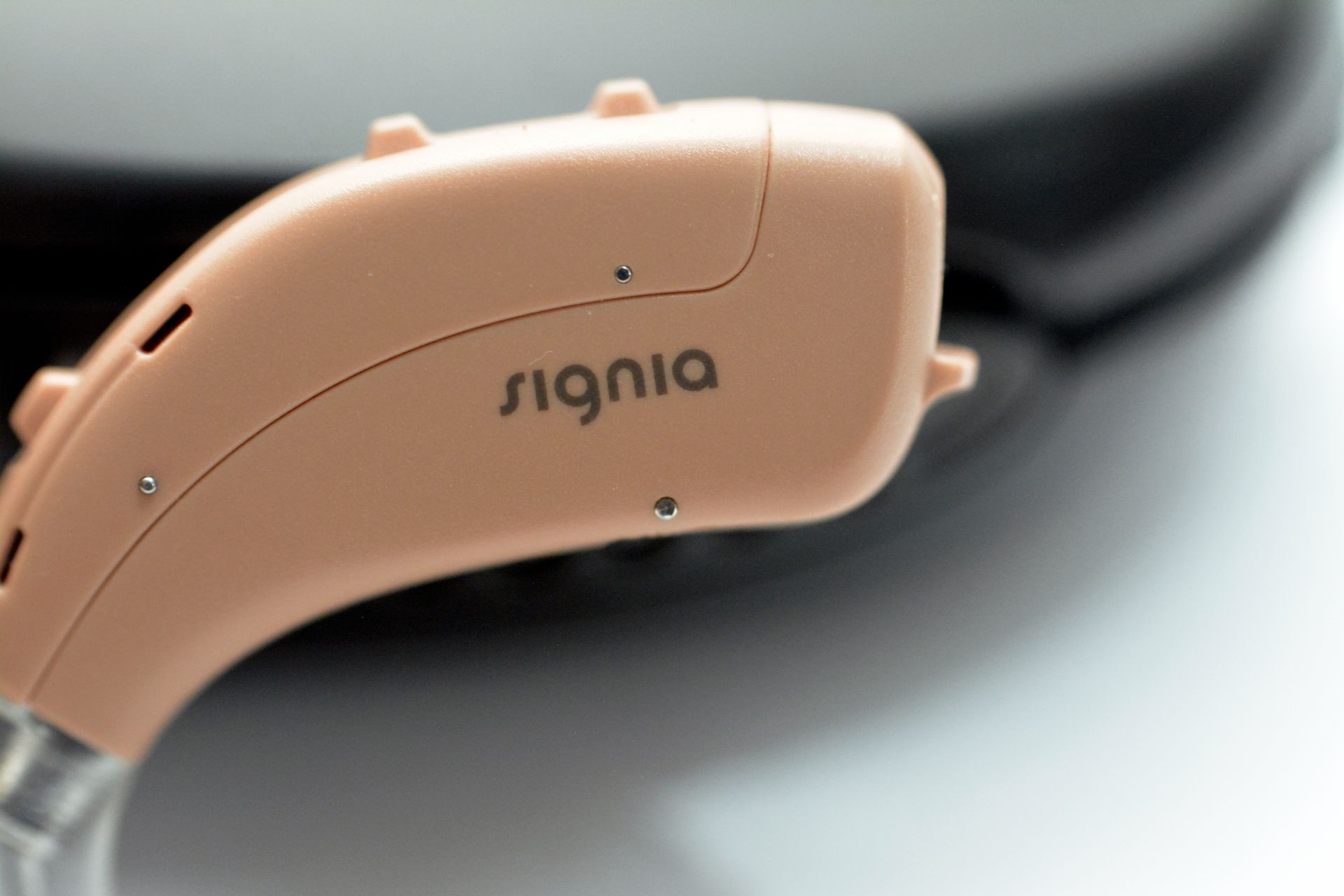
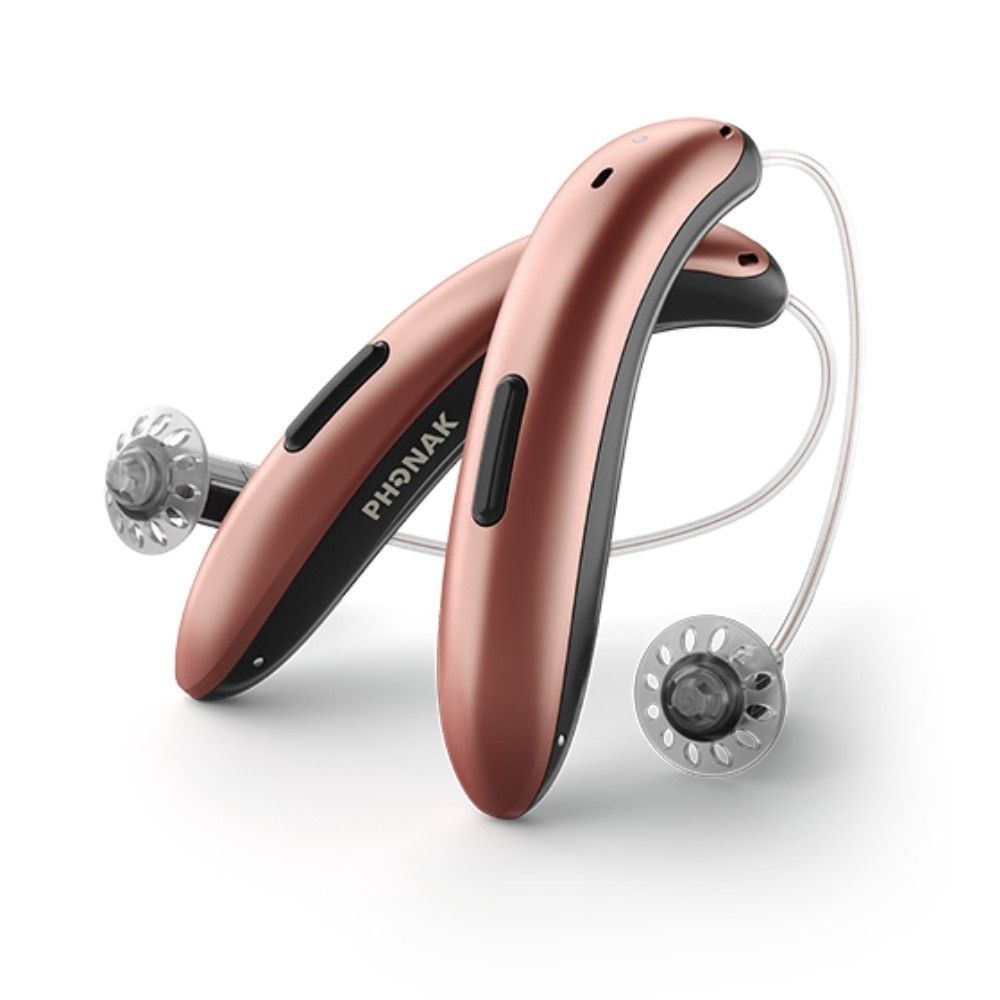
Device features we optimize during fitting
Directional microphones: For better focus on speech in noisy environments.
Noise reduction algorithms: To reduce background noise while preserving speech.
Feedback management: Prevents whistling while allowing higher gain for clarity.
Bluetooth streaming: Direct audio streaming from phones and TVs — we pair and teach pairing procedures.
Automatic programs and manual controls: For ease of use in different listening situations.
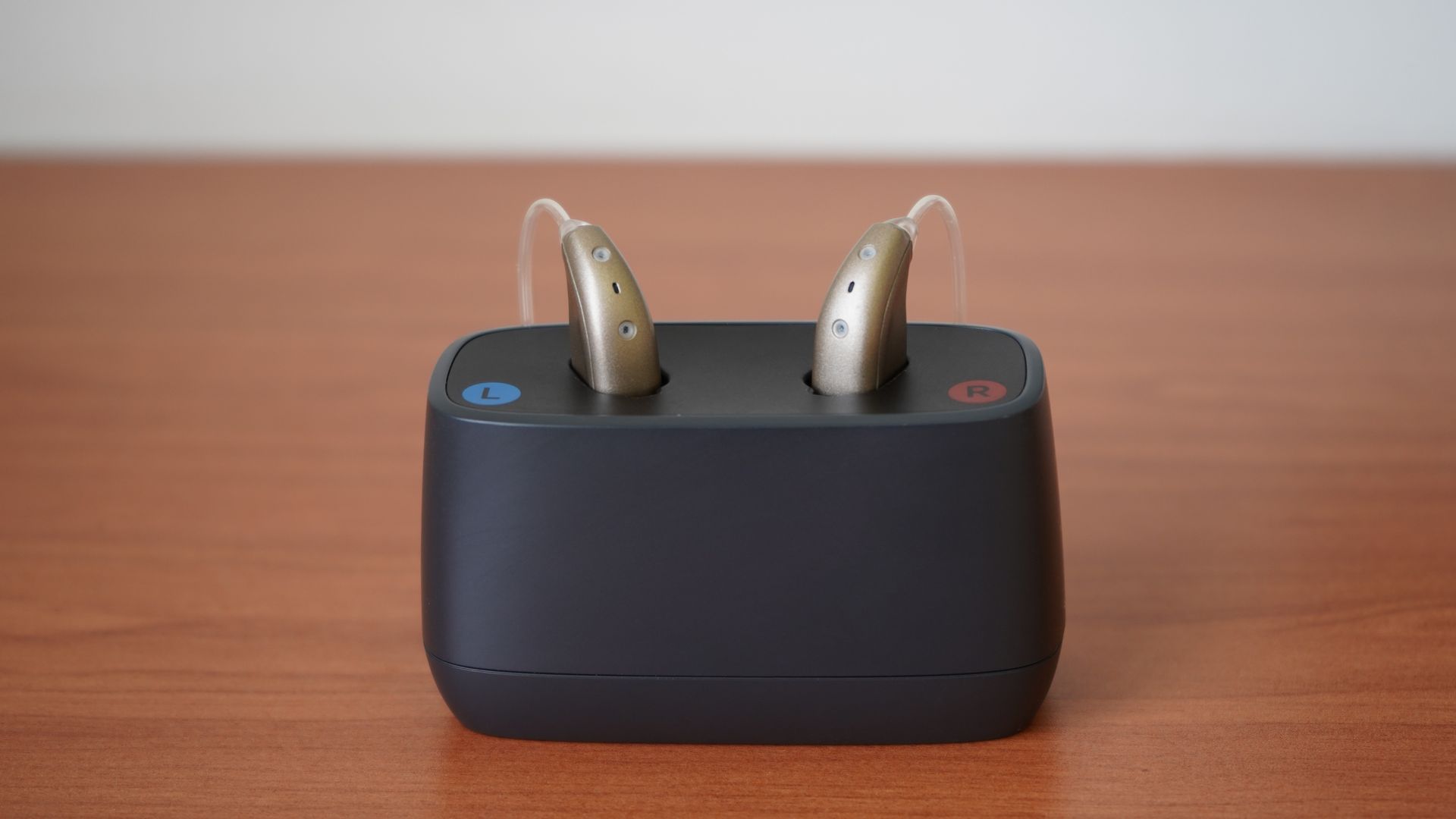
Rechargeability: We configure battery management and charging routines for rechargeable models.
Troubleshooting common fitting challenges
Insufficient clarity in noise
We adjust microphone and noise reduction settings and review communication strategies.
Discomfort with amplification
We lower gain in specific frequencies or fine-tune compression settings.
Feedback or whistling
We adjust fit components, feedback cancellation, and venting.
Battery or charging concerns
We review battery types, charging cycles, and recommend best practices.
Counseling topics included in fittings
Realistic expectations
Hearing aids improve many listening situations but have limits; we discuss what to expect and timelines for acclimatization.
Communication strategies
Techniques for better conversations — facing speakers, reducing background noise, and using assistive devices.
Care and maintenance
Daily cleaning, wax guard replacement, and safe storage routines.
Troubleshooting and when to seek help
We provide guidance on common issues and when to schedule follow-up visits.
Acclimatization and follow-up
Adjusting to hearing aids is a process. We schedule follow-ups at key intervals usually within a few weeks of initial fitting and again as needed to refine settings based on real-world experiences. Progressive adjustments help users acclimate gradually to increased sound levels and complex auditory scenes.
Who benefits most from professional fittings
- First-time hearing aid users who need orientation and training.
- People transitioning back to hearing aids after long periods without amplification.
- Users with active lifestyles who require advanced features like Bluetooth streaming.
- Those experiencing ongoing difficulties after initial fittings elsewhere.
Typical fitting timeline
Costs, warranties, and trials
We discuss device pricing, included services (programming, follow-ups, warranties), and trial periods. Many clients find trial periods helpful for confirming real-world benefit before final decisions.
Frequently asked questions about fittings
Q: How long until I notice improvement?
A: Modern rechargeable hearing aids typically last a full day on a single charge for common daily use; we advise on charging routines and battery life expectations.
Q: Do rechargeable hearing aids last all day?
A: Modern rechargeable hearing aids typically last a full day on a single charge for common daily use; we advise on charging routines and battery life expectations.
Q: What happens if my ears produce wax?
A: Excessive wax can reduce device performance. We inspect ears and recommend cleaning or refer for cerumen management before fitting when necessary.
Contact and scheduling
To schedule a professional hearing aid fitting at Play it Again Hearing, call (541) 556-6237 or visit our clinic at
795 River Ave Suite C,
Eugene, OR 97404 or
2713 West Harvard #100, Roseburg OR. A properly fitted hearing aid transforms technology into improved daily life.