
EUGENE'S LOCAL HEARING SPECIALISTS
Hearing Assessments
Play it Again Hearing
Why hearing assessments matter
A hearing assessment is the foundation of any effective hearing solution. Accurate testing identifies the type, degree, and configuration of hearing loss and reveals how hearing affects speech understanding in real situations. Without a comprehensive assessment, device choices and fittings may miss essential details, leading to suboptimal outcomes. Play it Again Hearing provides thorough, patient-centered assessments designed to inform clear, practical recommendations that improve everyday listening.
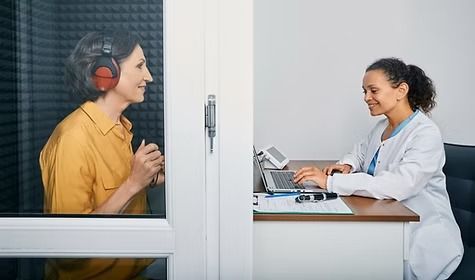
What a hearing assessment at Play it Again Hearing includes
Case history and communication goals
(541) 556-6237We start by discussing your hearing concerns, medical history, communication challenges, and specific goals for technology and lifestyle.
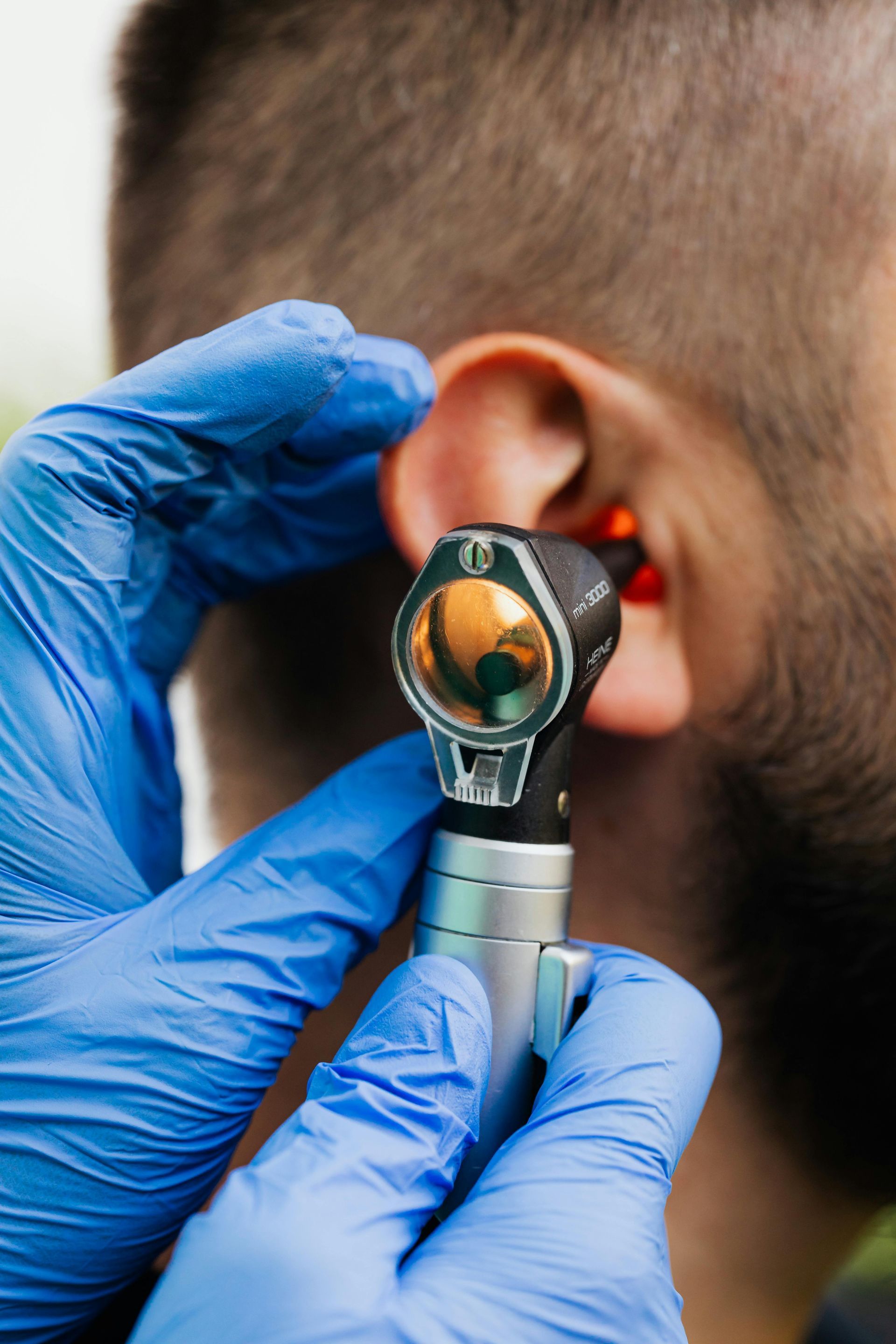
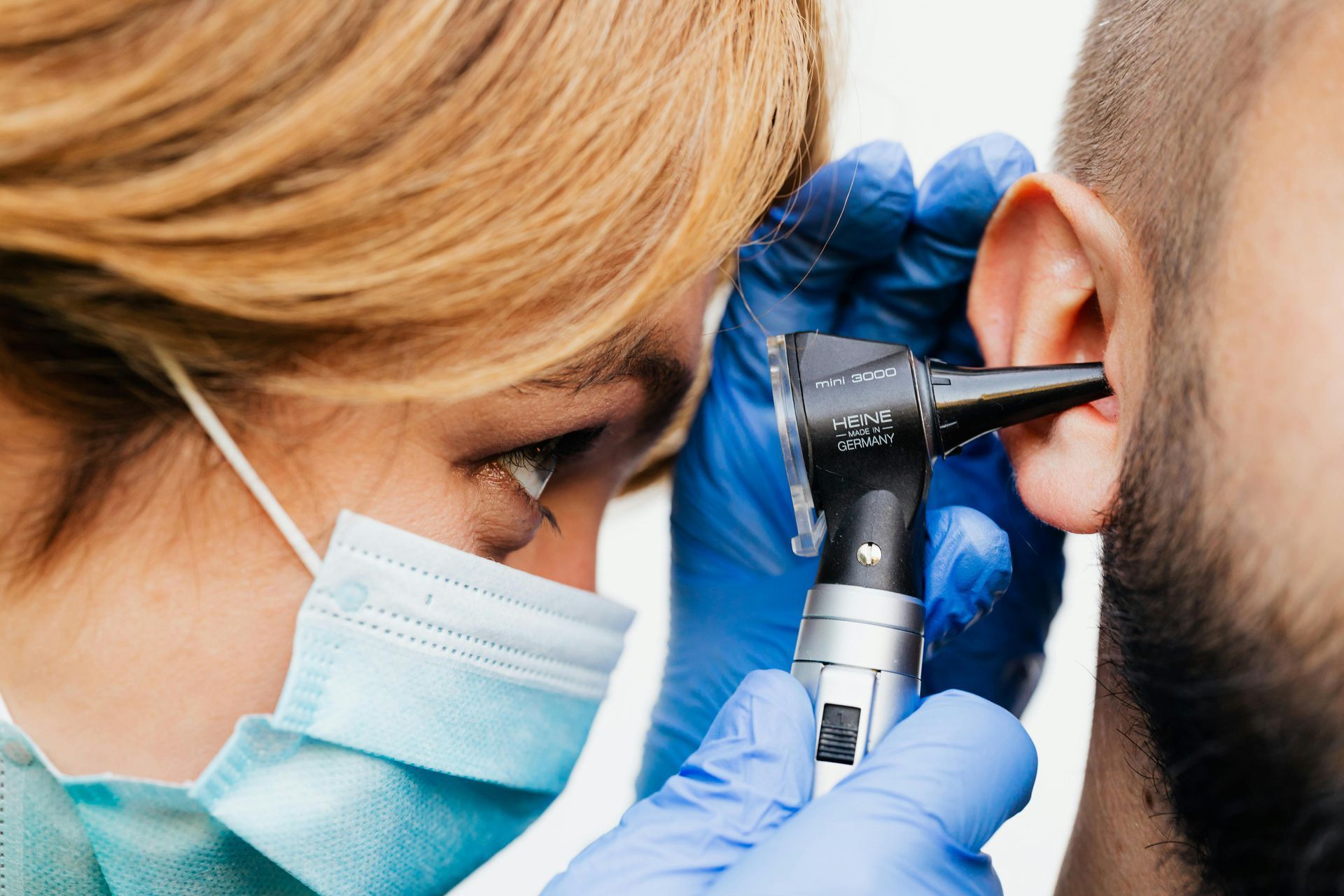
Otoscopic inspection
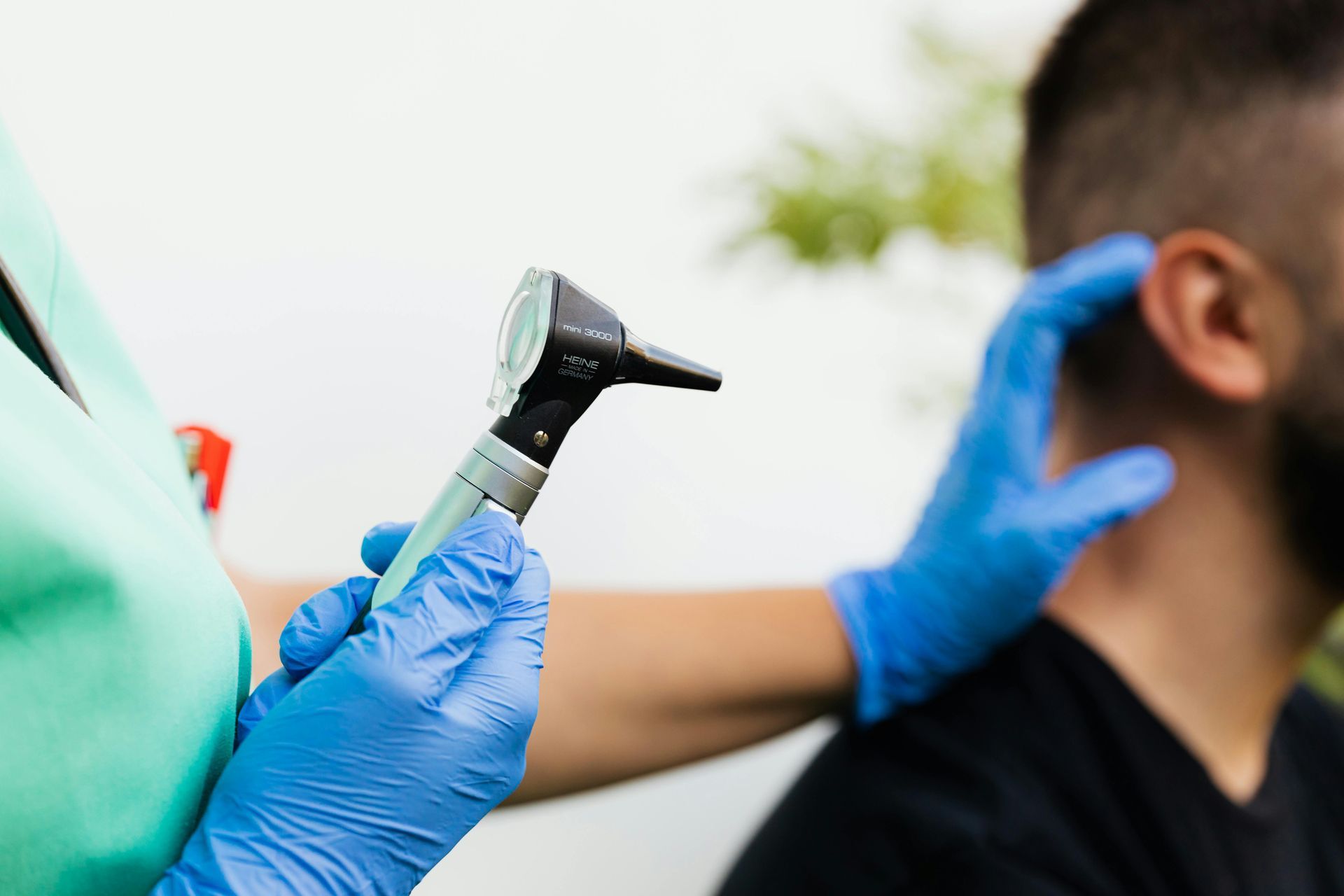
Visual inspection of the ear canal and eardrum to identify wax, ear canal shape, or medical issues that could influence testing or hearing aid use.
Pure-tone audiometry
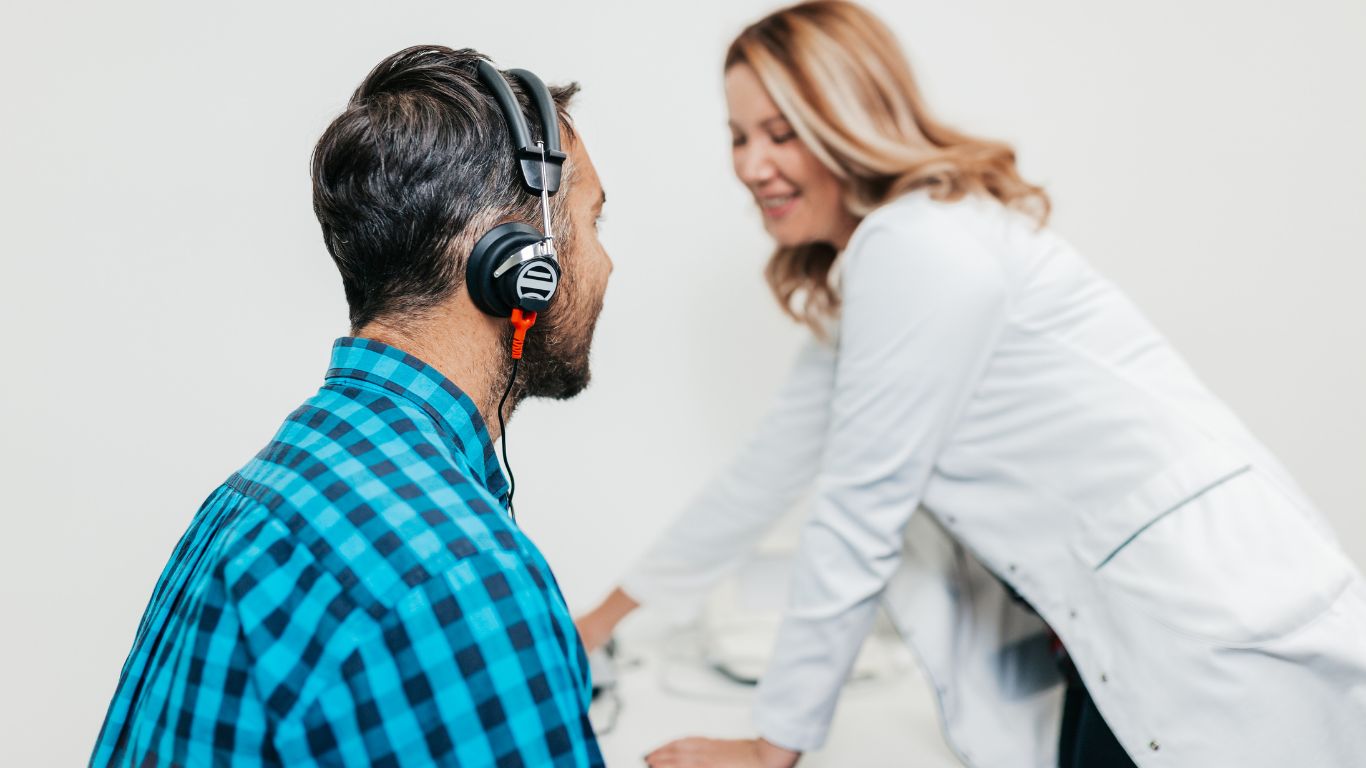
Measurement of hearing thresholds across frequencies to determine degree and pattern of hearing loss in each ear.
Speech audiometry
Tests for speech recognition in quiet and at different signal-to-noise ratios to evaluate real-world communication ability.
Tympanometry and middle-ear assessment
When appropriate, we assess middle-ear function to rule out conductive components that may require medical attention.
Counseling and recommendations
We review results in clear language and explain how the findings relate to everyday listening. Based on results and your goals, we recommend next steps — from monitoring to hearing aids and assistive devices.
Why thorough testing matters for outcomes
Hearing thresholds alone do not capture how a person hears speech in noise or perceives sound quality. Speech testing and real-ear verification provide critical information for selecting and programming hearing devices. Our assessments are designed to provide a complete picture so we can:
Recommend the right device style and technology level.
Program amplification strategies tailored to speech clarity.
Identify potential medical referrals (e.g., for conductive losses or sudden changes).
Plan realistic counseling and rehabilitation for better adaptation to amplification.
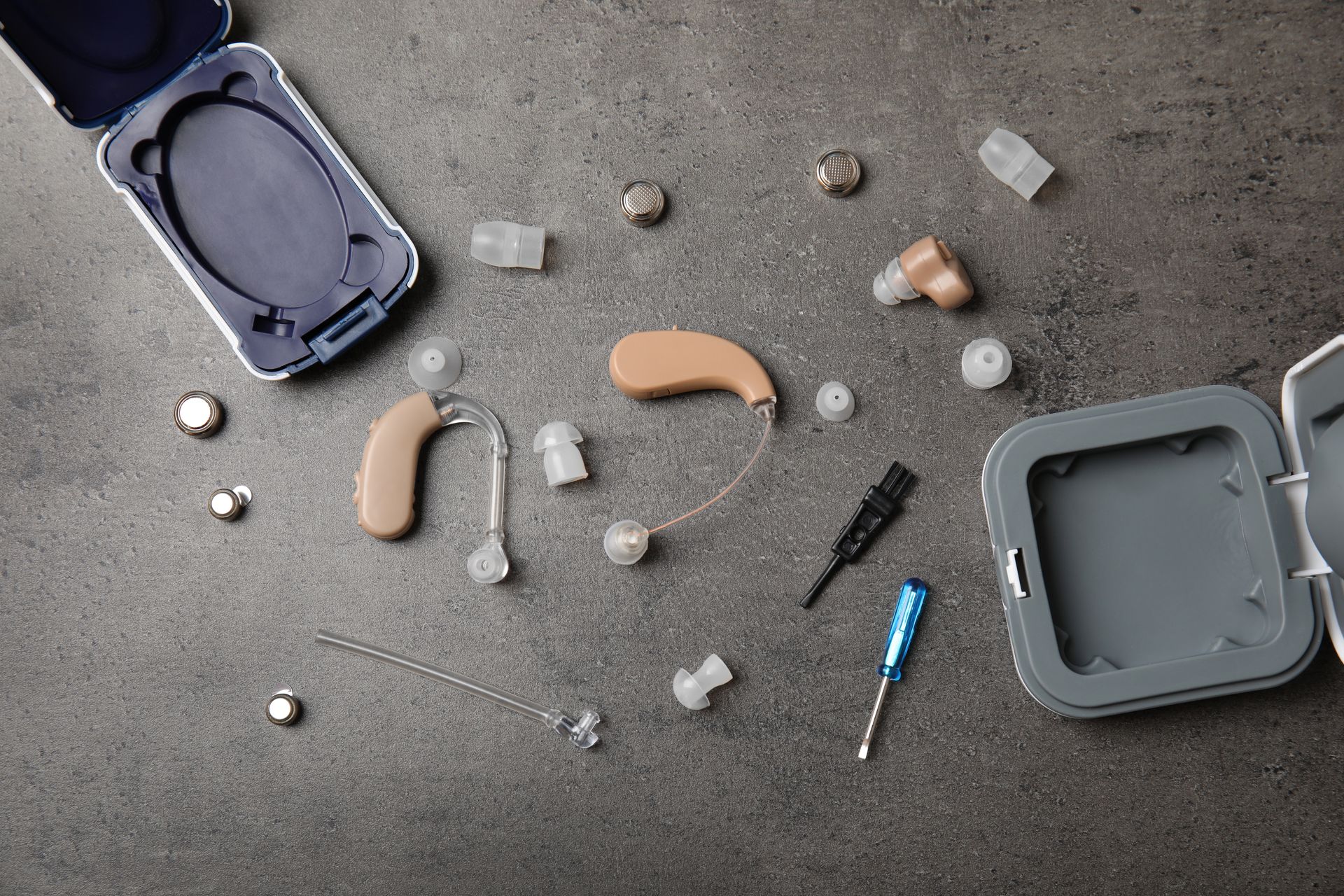
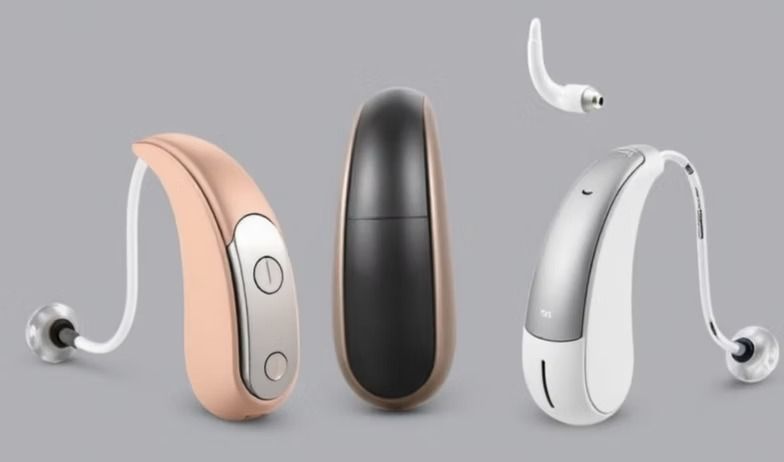
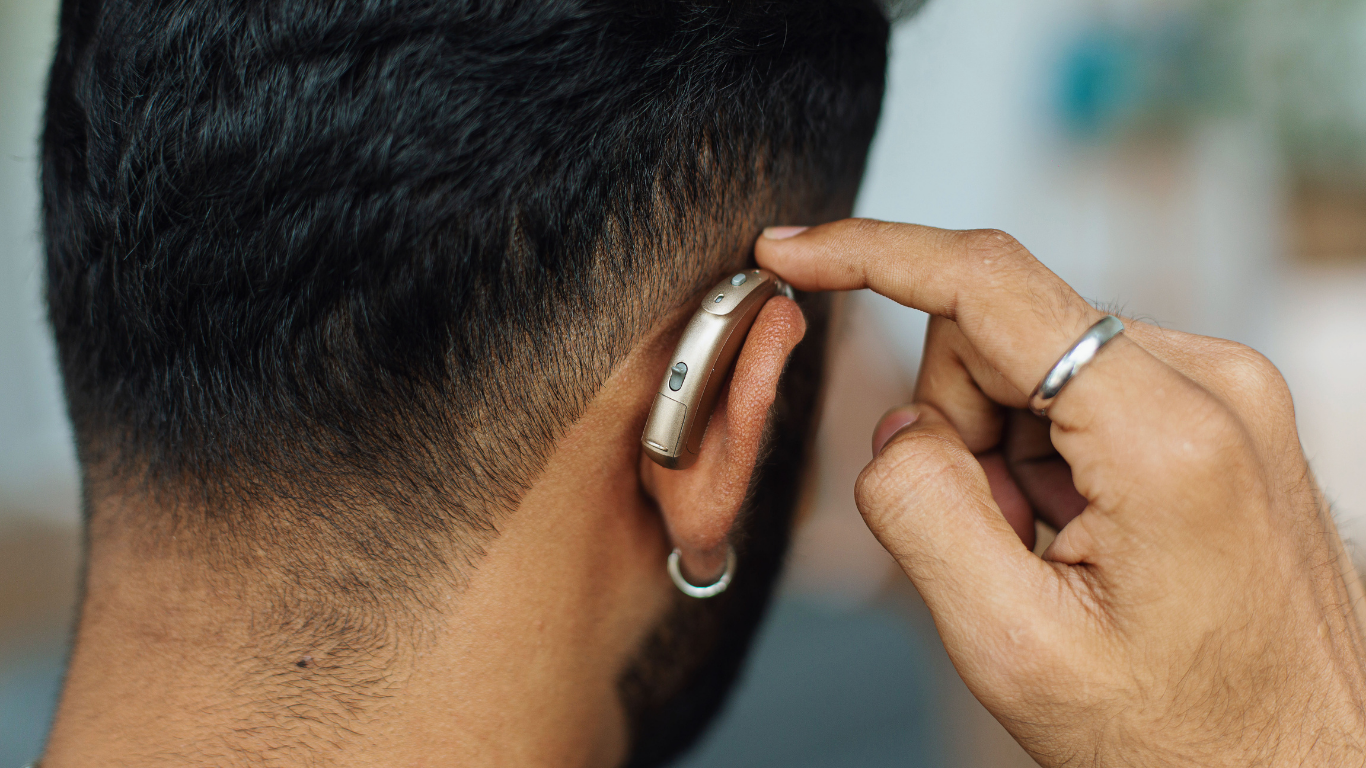
Key benefits of our assessment process
Clarity: You gain a clear understanding of what your hearing tests mean and what to expect from treatment.
Personalization: Results guide individualized device recommendations and fitting strategies.
Early detection: We identify hearing changes early so interventions are more effective.
Objective baseline: Assessment results establish a baseline for future comparisons and adjustments.
How long does an assessment take?
A comprehensive hearing assessment typically takes 45–60 minutes. If additional testing such as tympanometry or extended speech-in-noise tests are needed, the appointment may run longer. We take the time to explain results thoroughly and answer your questions.
Preparing for your appointment
A comprehensive hearing assessment typically takes 45–60 minutes. If additional testing such as tympanometry or extended speech-in-noise tests are needed, the appointment may run longer. We take the time to explain results thoroughly and answer your questions.
Who should get assessed
- Anyone noticing difficulty following conversations, especially in noisy settings.
- People frequently asking others to repeat themselves or turning up electronic volumes.
- Family members who notice withdrawal or changes in behavior related to listening.
- Individuals with a history of noise exposure, ototoxic medications, or head injury.
- Adults over 50 — routine monitoring is recommended because hearing changes increase with age.
Interpreting assessment results
After testing, we discuss
- Degree of hearing loss (mild, moderate, severe, profound) and pattern across frequencies.
- Speech understanding scores and how they relate to real-world listening.
- Whether amplification is likely to help and what types of devices are appropriate.
- If medical referral is recommended for further evaluation or treatment.
Common assessment outcomes and recommendations
Normal hearing with complaints
We may recommend monitoring, communication strategies, or medical referral for non-auditory causes.
Sensorineural hearing loss
Often age-related or noise-induced; hearing aids are commonly recommended to amplify sounds and improve speech clarity.
Conductive or mixed loss
May require medical evaluation; hearing aids or medical treatment may follow depending on the cause.
Asymmetric loss
Requires careful evaluation and sometimes imaging or medical referral to rule out underlying pathology.
Follow-up after assessment
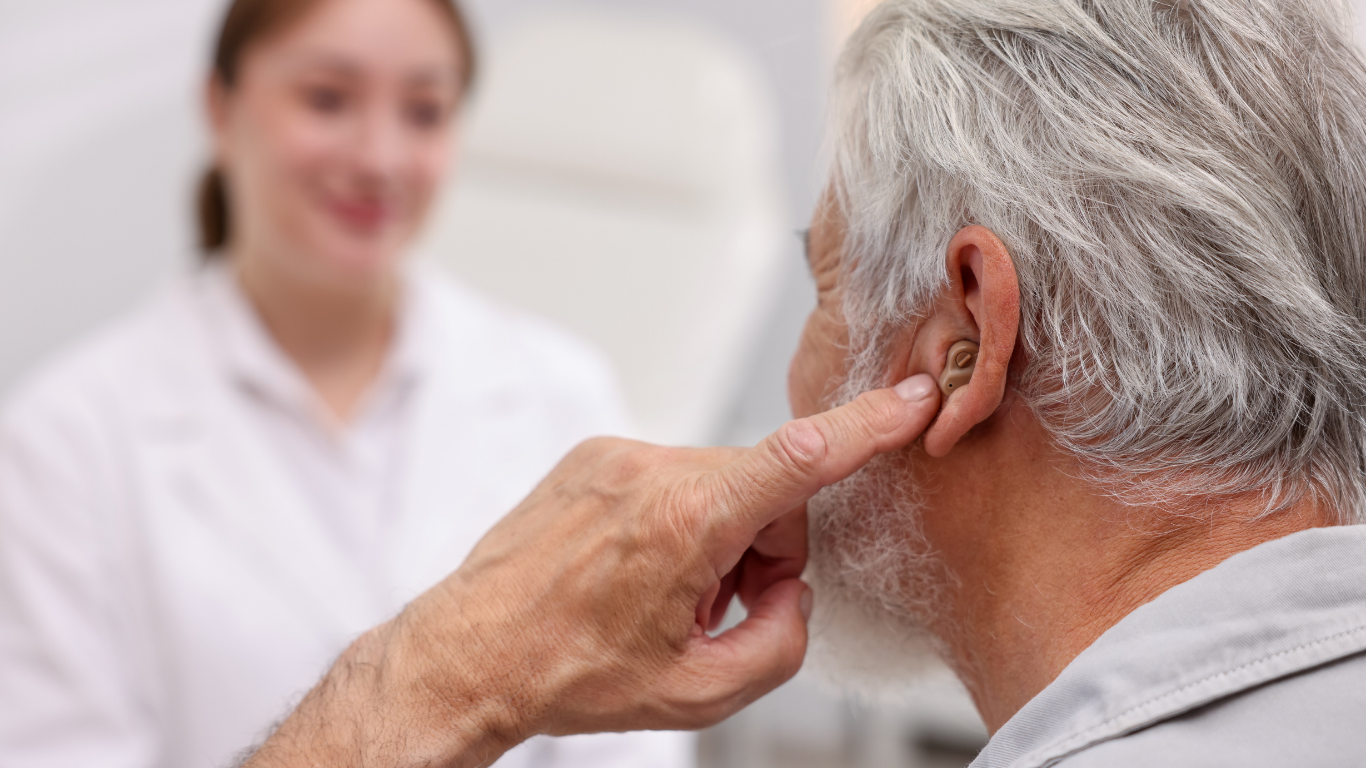
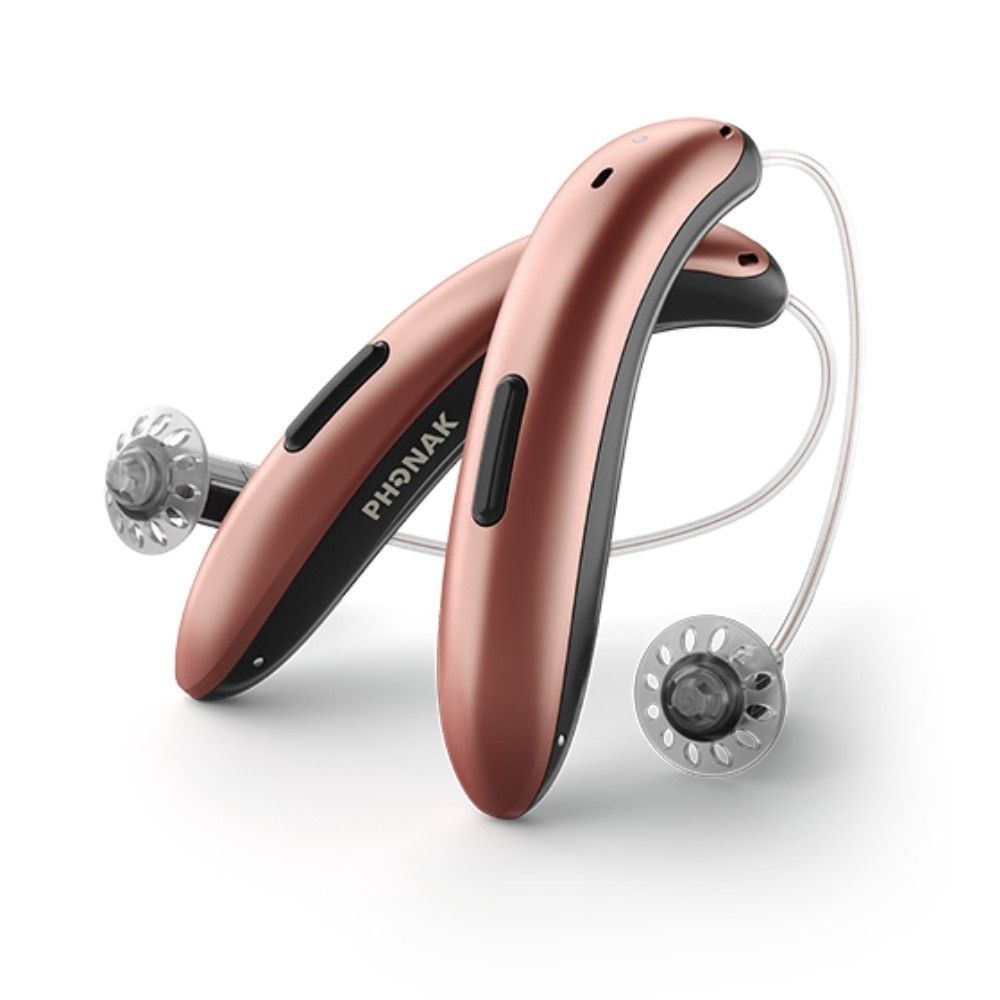
If hearing aids are recommended, we’ll schedule a fitting appointment to select devices and program them to your prescription. For those not ready for hearing aids, we offer monitoring plans and counseling on communication strategies and technology aids like amplified telephones or TV listening systems.
Why real-ear measurement and verification matter
Real-ear measurement verifies that the hearing aid provides the prescribed amplification where it matters — at the eardrum. This objective check ensures hearing aids are delivering the appropriate levels for speech clarity and comfort, reducing the trial-and-error adjustments that can frustrate new users.
Frequently asked questions about assessments
Q: Is a hearing assessment painful?
A: No. Hearing assessments are non-invasive and painless. Sounds are played through headphones and you indicate when you hear them
Q: Will an assessment tell me if I need hearing aids?
A: An assessment provides the information needed to determine whether hearing aids are likely to help and, if so, which types and features are appropriate.
Q: Do you bill insurance for hearing assessments?
A: Coverage varies by plan. We provide documentation and can discuss billing options and receipts for potential reimbursement.
Contact and scheduling
To schedule a comprehensive hearing assessment at Play it Again Hearing, call (541) 556-6237 or visit our office at
795 River Ave Suite C, Eugene, OR 97404 or
2713 West Harvard #100, Roseburg OR. Early evaluation leads to better outcomes — if you’ve noticed changes in hearing, make an appointment today.