
How Often Should You Get a Hearing Test in Eugene, OR?
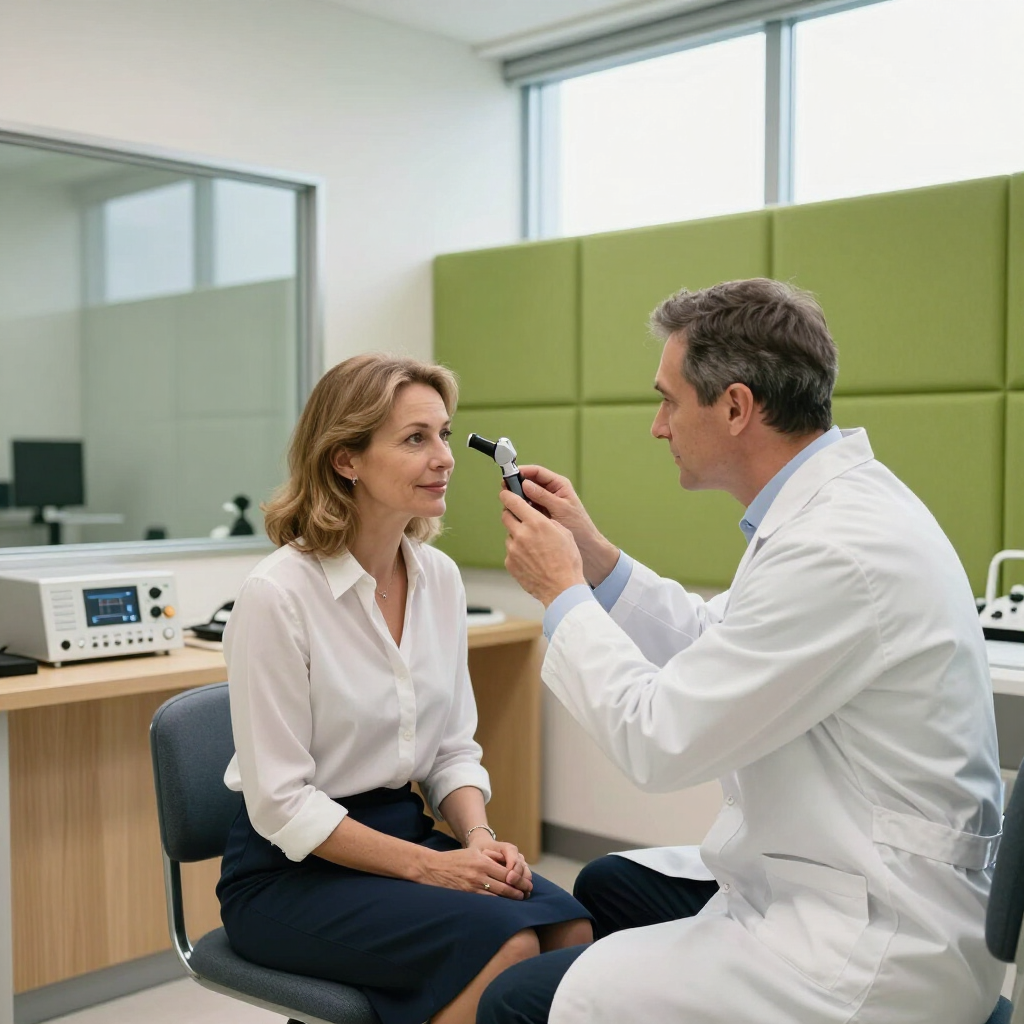
Many people wait years before scheduling a hearing test because hearing loss often develops gradually. The problem is that untreated hearing loss can quietly affect communication, relationships, safety, and overall quality of life before someone realizes how serious it has become. Regular hearing tests help identify hearing changes early, making it easier to protect your hearing and improve everyday communication.
If you live in Eugene, OR, scheduling routine hearing evaluations is one of the best ways to stay proactive about your hearing health. At Play it Again Hearing, patients receive personalized hearing assessments designed to detect hearing issues early and provide solutions tailored to their lifestyle.
Why Hearing Tests Are Important
Hearing is closely connected to communication, mental well-being, and overall health. Unfortunately, many adults ignore hearing problems until conversations become difficult or family members start noticing changes.
A professional hearing test can help:
- Detect hearing loss early
- Identify hearing changes over time
- Improve communication ability
- Reduce listening fatigue
- Support cognitive health
- Determine whether hearing aids may help
According to the National Institute on Deafness and Other Communication Disorders, age-related hearing loss affects millions of adults across the United States.
[National Institute on Deafness and Other Communication Disorders – https://www.nidcd.nih.gov/]
Early detection is important because hearing loss rarely improves without treatment.
How Often Should Adults Get a Hearing Test?
Adults Under 50
Adults without hearing concerns should consider getting a baseline hearing test every 3–5 years. A baseline allows hearing specialists to track future changes more accurately.
Adults Over 50
Adults over age 50 should schedule hearing evaluations every 1–3 years. Age-related hearing loss becomes more common during this stage of life.
Adults Exposed to Loud Noise
People exposed to loud workplaces, machinery, concerts, or recreational noise may need annual hearing evaluations.
Noise exposure from:
- Construction work
- Landscaping equipment
- Firearms
- Manufacturing jobs
- Loud music
- Motorcycles
can gradually damage hearing over time.
Hearing Aid Users
If you currently wear hearing aids, yearly hearing tests are highly recommended to ensure your devices continue meeting your hearing needs properly.
Common Signs You Need a Hearing Test
Many people delay hearing evaluations because symptoms appear gradually. If you notice any of the following signs, it may be time to schedule a hearing assessment.
Frequently Asking People to Repeat Themselves
One of the most common warning signs is struggling to understand conversations clearly.
Trouble Hearing in Restaurants or Crowded Places
Background noise often becomes especially difficult for people experiencing hearing loss.
Turning Up the TV Volume
If family members constantly mention the television is too loud, hearing changes may be developing.
Ringing in the Ears
Persistent ringing or buzzing, known as tinnitus, can sometimes be linked to hearing loss.
Listening Fatigue
Many people feel mentally exhausted after conversations because their brain is working harder to fill in missing sounds.
What Happens During a Hearing Test?
At Play it Again Hearing, hearing assessments are comfortable, simple, and non-invasive.
Step 1: Discussing Your Hearing Concerns
Your hearing specialist will ask questions about:
- Hearing difficulties
- Medical history
- Noise exposure
- Lifestyle habits
- Symptoms you are experiencing
This helps personalize your evaluation.
Step 2: Ear Examination
The provider examines your ears for:
- Wax buildup
- Irritation
- Ear canal blockage
- Structural issues
Sometimes hearing difficulties are caused by excessive wax rather than permanent hearing loss.
Step 3: Tone Testing
You wear headphones and listen for sounds at different frequencies and volumes.
This helps measure hearing sensitivity in both ears.
Step 4: Speech Testing
Speech understanding tests evaluate how clearly you hear spoken words in different situations.
Step 5: Reviewing Results
After testing, your hearing specialist explains the results and discusses possible next steps.
Recommendations may include:
- Monitoring hearing changes
- Hearing protection
- Hearing aid options
- Follow-up testing
- Cleaning or servicing existing hearing aids
Why Local Hearing Care Matters in Eugene, OR
Working with a local hearing provider offers major advantages compared to purchasing hearing devices online without support.
At Play it Again Hearing, Eugene residents receive:
- Personalized hearing assessments
- Professional hearing aid fittings
- In-home hearing visits
- Hearing aid cleaning and servicing
- Ongoing support and adjustments
Local care means easier follow-up appointments and customized treatment based on your needs.
How Untreated Hearing Loss Affects Daily Life
Hearing loss impacts more than just hearing sounds clearly.
Untreated hearing loss may contribute to:
- Social isolation
- Frustration
- Reduced confidence
- Communication problems
- Relationship stress
- Safety concerns
Research has also linked untreated hearing loss to increased risks of cognitive decline and depression.
Addressing hearing issues early may improve both mental and emotional well-being.
Tips to Protect Your Hearing
Protecting your hearing now can help reduce long-term damage.
Lower Headphone Volume
Avoid listening at maximum volume for long periods.
Use Hearing Protection
Wear earplugs or earmuffs around loud equipment and machinery.
Take Listening Breaks
Give your ears time to recover after loud activities.
Schedule Routine Hearing Tests
Regular hearing evaluations help identify changes before they worsen.
FAQs
How long does a hearing test take?
Most hearing assessments take between 30 and 60 minutes.
Are hearing tests painful?
No. Hearing tests are painless and non-invasive.
At what age should hearing tests begin?
Adults should establish a baseline hearing test by age 50 or sooner if symptoms develop.
Can hearing loss be reversed?
Some hearing problems can be medically treated, but many forms are managed with hearing aids and ongoing hearing care.
How do I know if I need hearing aids?
A professional hearing assessment can determine whether hearing aids may improve your communication and daily life.
Schedule Your Hearing Test in Eugene, OR
If conversations are becoming harder to follow or loved ones are noticing changes in your hearing, now is a good time to schedule a professional evaluation.
Play it Again Hearing proudly serves Eugene, OR with personalized hearing assessments, hearing aid fittings, in-home visits, and hearing aid servicing designed to help patients hear more clearly and confidently.
[Hearing Assessments – https://www.playitagainhearing.net/hearing-assessments]
[In-Home Hearing Services –
https://www.playitagainhearing.net/in-home-visits]
Contact Play it Again Hearing today to schedule your hearing test and take the next step toward better hearing health.